How Social Media Can Grow Your Indie Music Fanbase
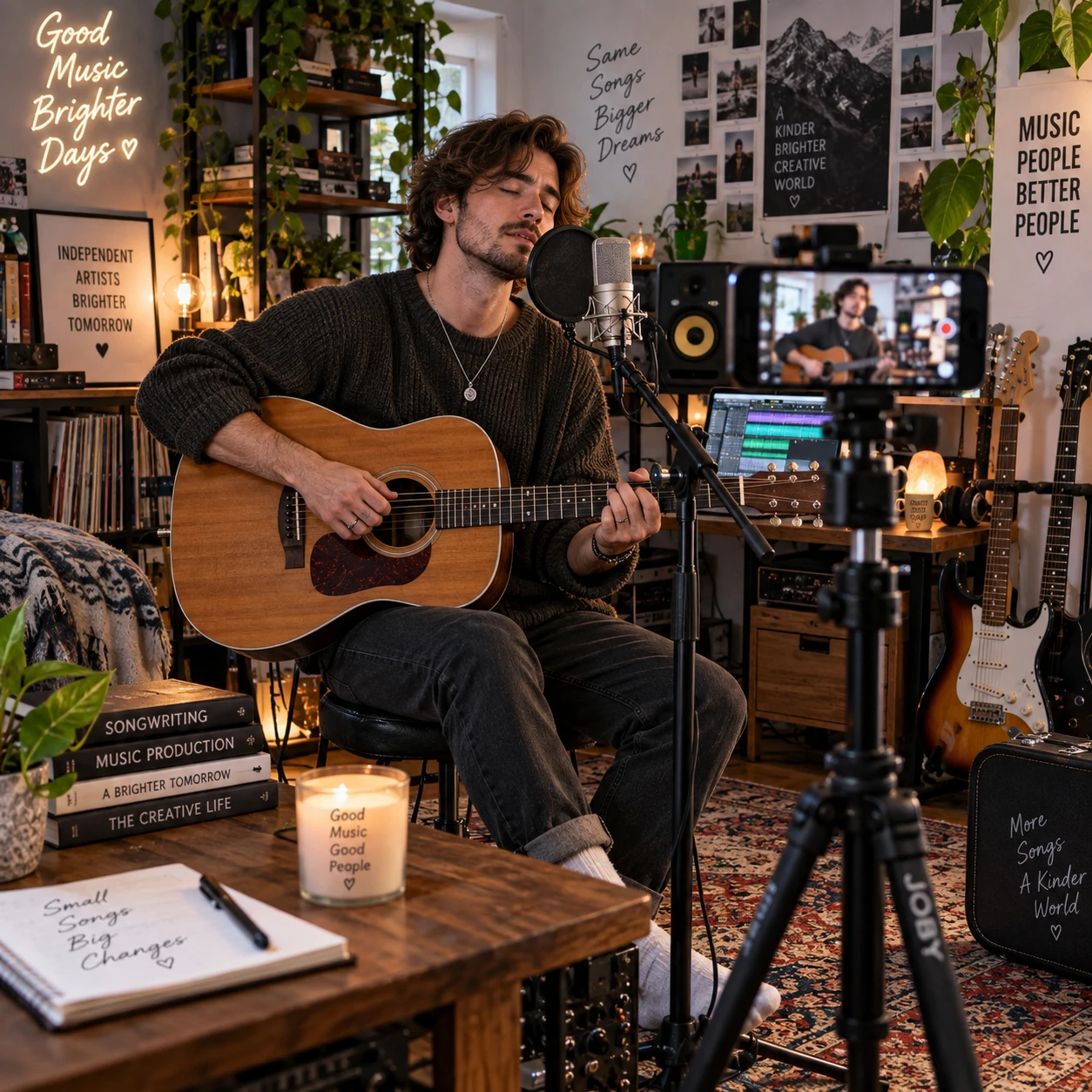
For an independent musician, social media can help a new listener find a song, recognize the artist behind it, and decide to come back. The goal is not to chase every trend or collect the largest possible follower count. It is to create a clear path from music discovery to a real connection with your work.
A sustainable content strategy brings together music, personality, and conversation. With a few well-chosen social media platforms and regular, manageable activity, you can invite people to stream your music, join your email list, and show up at a live performance.
Why social media matters for indie musicians
Social media helps indie musicians put music in front of potential listeners and give those listeners a reason to connect with the person who made it. A post can introduce a track, while ongoing interactions help turn a brief discovery into a relationship.
Traditional promotion often depends on access to media, labels, or large advertising budgets. Social platforms offer independent artists a more direct route to sharing new releases, performance clips, and updates with people who may care about their sound. A short video of a chorus, for example, can reach someone who has never heard your name; a follow-up post about the lyric’s meaning can help that person understand your point of view.
That connection matters because fans often support an artist across more than one moment. They may listen on a streaming service, share a release, sign up for an email list, or buy a ticket. Social media can help start this journey, but it cannot guarantee reach or replace strong songs, live performance, or the work of building a career. Platform algorithms and audience habits change, so treat social media as one part of your music practice.
Choose platforms that fit your music and audience
Choose social media platforms based on the formats you can make consistently and where the listeners you want to reach are active. Starting with one primary platform and one supporting channel is often more sustainable than trying to post everywhere.
Short-form video can introduce a song quickly through a chorus, a live take, or a glimpse of the writing process. Visual platforms also suit artists whose identity is closely tied to artwork, fashion, or performance. Text-led platforms may work better if you enjoy sharing observations, discussing lyrics, or joining conversations about your local music scene. A platform’s popularity alone is not enough; your comfort with its format matters.
Use this simple filter before committing:
- Audience: Where do your current listeners spend time, and where might your ideal new fans discover artists?
- Format: Can you make videos, photos, live sessions, or written posts without forcing a persona?
- Purpose: Is the channel helping with discovery, fan conversation, release news, or local show promotion?
Try one platform for a focused period, such as six to eight weeks, and note what you can sustain. You can adapt a strong idea for another channel later, but avoid copying every post everywhere without adjusting its context.
Create content that gives people a reason to follow
Content that gives people a reason to follow combines your music with the stories, craft, and personality around it. Share enough of the creative process to make listeners curious, while keeping your artist identity and boundaries intact.
Music should remain central. Post short-form video clips of a compelling chorus, a stripped-back verse, a rehearsal, or a live arrangement. A clear opening helps: begin with the lyric, sound, or visual moment that makes the clip distinctive rather than a long introduction. Add a brief caption that gives context or asks a genuine question.
Behind-the-scenes content can make a release feel more human. Show how a lyric changed, why you chose a certain instrument, or what you learned while recording. You do not need to turn private life into content. Fans can connect with your decisions and perspective without being invited into every part of your day.
Rotate a few dependable formats so posting does not become a daily scramble:
- A music clip or live performance excerpt.
- A creative-process detail, such as a demo comparison or lyric note.
- A personal story that relates to the song, your influences, or your local scene.
- A direct fan prompt, such as asking which arrangement they prefer.
These formats are a starting point, not a formula. If a polished video takes hours and drains time from songwriting, a simple phone recording may serve you better. Consistency means maintaining a recognizable presence, not publishing at the expense of making music.
Turn engagement into lasting fan relationships
Fan engagement becomes a lasting relationship when you respond to people as individuals and make room for ongoing conversation. A thoughtful reply or a direct thank-you can mean more than another post aimed at an anonymous crowd.
Respond to comments that invite a real exchange. Ask a follow-up when someone shares what a song means to them, thank listeners who attend a show, and acknowledge fan-made covers or artwork when you have permission to share them. You do not need to answer every message immediately. Set a reasonable routine, such as checking comments after posting and once again later in the day.
It also helps to give fans ways to participate. Invite them to vote on a setlist choice, ask which song they want to hear live, or share a question before a livestream. Keep the invitation specific and easy to answer. These interactions can help you understand what listeners care about, though a vocal handful should not be mistaken for your entire audience.
For a closer, more reliable connection, offer an email list alongside social channels. Social platforms control how posts are distributed; an email list gives you a direct way to share release news and show dates with people who chose to hear from you. Ask for sign-ups clearly and explain what subscribers can expect, such as occasional updates rather than constant promotion.
Guide social followers toward your music and live shows
Guide social followers toward your music and live shows with one clear, relevant invitation at a time. Make the next step easy to understand, whether that means streaming a new single, joining your email list, or buying a ticket.
A post about a new release can include a short clip and a direct prompt to listen to the full track. A local gig announcement should name the city, venue, date, and ticket option. If you have several links, use a simple landing page and tell people which link to choose. Avoid adding a hard sell to every post; a steady mix of music, stories, and invitations feels more natural.
Match the invitation to the listener’s likely level of interest. Someone seeing your work for the first time may be ready to watch another clip, while someone who regularly comments may be more likely to attend a show or join your email list. Make sure links work on mobile and that the destination matches the promise in your caption.
Think in stages: discover the song, learn who made it, choose a next step. The next step can be modest. A follow, save, or email sign-up may build familiarity before a ticket purchase. Social media can open the door, but the music and the experience you deliver determine whether people want to stay.
Track what resonates and adjust your approach
Track whether your content prompts meaningful actions, not just whether it earns views. Use audience responses, profile visits, saves, shares, link clicks, email sign-ups, and attendance to understand which posts help your fanbase grow.
Choose a small set of measures that match your goal. For music discovery, compare how many people watch a clip and then visit your profile or listen to the track. For deeper connection, look at thoughtful comments, repeat interactions, and email subscriptions. For live promotion, track ticket clicks and attendance where you can. These indicators are more useful together than follower count on its own.
Review results every few weeks. Note the format, topic, opening moment, and invitation for posts that received strong responses. Then test one change at a time, such as a shorter intro or a different performance angle. A single post is weak evidence: timing, platform distribution, and audience availability can all affect the result.
Watch for common traps:
- Posting everywhere: It can scatter your effort. Choose fewer channels and publish work that fits each one.
- Chasing views alone: A viral clip may not attract people who care about your music. Check what viewers do next.
- Changing direction after one quiet post: Give a format several attempts before deciding it does not suit your audience.
Use the numbers to ask better questions, not to judge your worth as an artist. Social media is a tool for learning what helps listeners connect; it is not a substitute for writing, rehearsing, recording, and performing.
Frequently asked questions
Indie musicians can start with one platform that suits their audience and content, post at a pace they can maintain, and use genuine interaction to deepen fan relationships. The answers below offer a practical starting point, not a one-size-fits-all rule.
Which social media platform should an indie musician start with?
Start with the platform where your intended listeners are active and where you can comfortably make its main content format. If short performance videos feel natural, try a video-led platform; if you prefer writing and conversation, choose a channel built around those strengths. Review results before adding another.
How often should an indie musician post?
Post as often as you can maintain without cutting into music-making or meaningful fan interaction. A reliable schedule of a few quality posts per week can be more useful than daily posts that feel rushed. Adjust based on your capacity and audience response.
What should musicians share besides their songs?
Share behind-the-scenes content, lyric or recording decisions, rehearsal moments, influences, live footage, and stories that help listeners understand your work. Keep the focus on what you are comfortable sharing and what adds context to your music.
How can social media followers become loyal fans?
Give followers repeated chances to discover your music, talk with you, and take a clear next step. Respond to them, invite them to shows or an email list, and deliver what you promise. Loyalty grows through continued connection, not through a single post or a large follower count.