How to Start Your Own Indie Band: A Step-by-Step Guide
Starting an indie band is one of the most creatively liberating things you can do as a musician. No gatekeepers, no permission required. The barrier to entry has never been lower — a laptop, a cheap microphone, and a few driven people are genuinely enough to get moving. This guide walks you through every stage, from the first conversation about sound to uploading your debut single.
Define Your Sound and Vision
Before you find bandmates or buy a single piece of gear, get clear on what kind of band you want to be. Your sound aesthetic shapes every decision that follows — who you recruit, how you record, and how you present yourselves online.
Start by listing five to ten artists who genuinely influence you. Not just artists you admire in the abstract, but ones whose records you've studied and whose energy you want to channel. Look for patterns: Are they guitar-driven or synth-heavy? Lo-fi or polished? Emotionally raw or conceptually cool? That overlap is your starting point.
Write a short paragraph — two or three sentences — describing the band you want to build. This becomes your internal compass. It doesn't need to be a press bio yet. It just needs to answer: What do we sound like, and why does it matter? Bands that skip this step tend to drift creatively once disagreements start.
Find the Right Bandmates
The right bandmates are people who share your vision and can commit consistently — musical skill matters, but reliability and attitude matter more at this stage.
The most reliable sources are closer than you think. Post in local Facebook groups for musicians, check bulletin boards at music shops and rehearsal studios, and browse platforms like BandMix or Craigslist's musician classifieds. Reddit communities like r/WeAreTheMusicMakers and r/IndieHeads also have active "looking for band" threads.
When you meet potential members, treat it like a low-stakes audition. Jam for an hour. Talk about influences. Pay attention to whether the creative conversation flows or feels forced. Chemistry in a rehearsal room is hard to fake, and you'll spend a lot of time in that room.
One honest note: you don't need a full lineup on day one. Many successful indie bands started as a duo or even a solo project that grew. Two committed people with a clear sound will outperform five people with no shared direction.
Set Up Your Rehearsal Space
A consistent rehearsal space is where a band actually becomes a band. You have two realistic options: renting a practice room or setting up a basic home space.
Renting a rehearsal room costs roughly $10–$25 per hour at most practice studios, depending on your city. It's the easier option when you're just starting — no noise complaints, no setup headaches, and the gear is usually already there. Book a weekly slot if you can; consistency builds momentum faster than sporadic marathon sessions.
Setting up at home is cheaper long-term but requires some investment in acoustic treatment and noise management. Moving blankets over walls, a thick rug, and door seals can reduce bleed significantly without spending much. If drums are involved, an electronic kit is often the only viable home option unless you have a basement or a very understanding building.
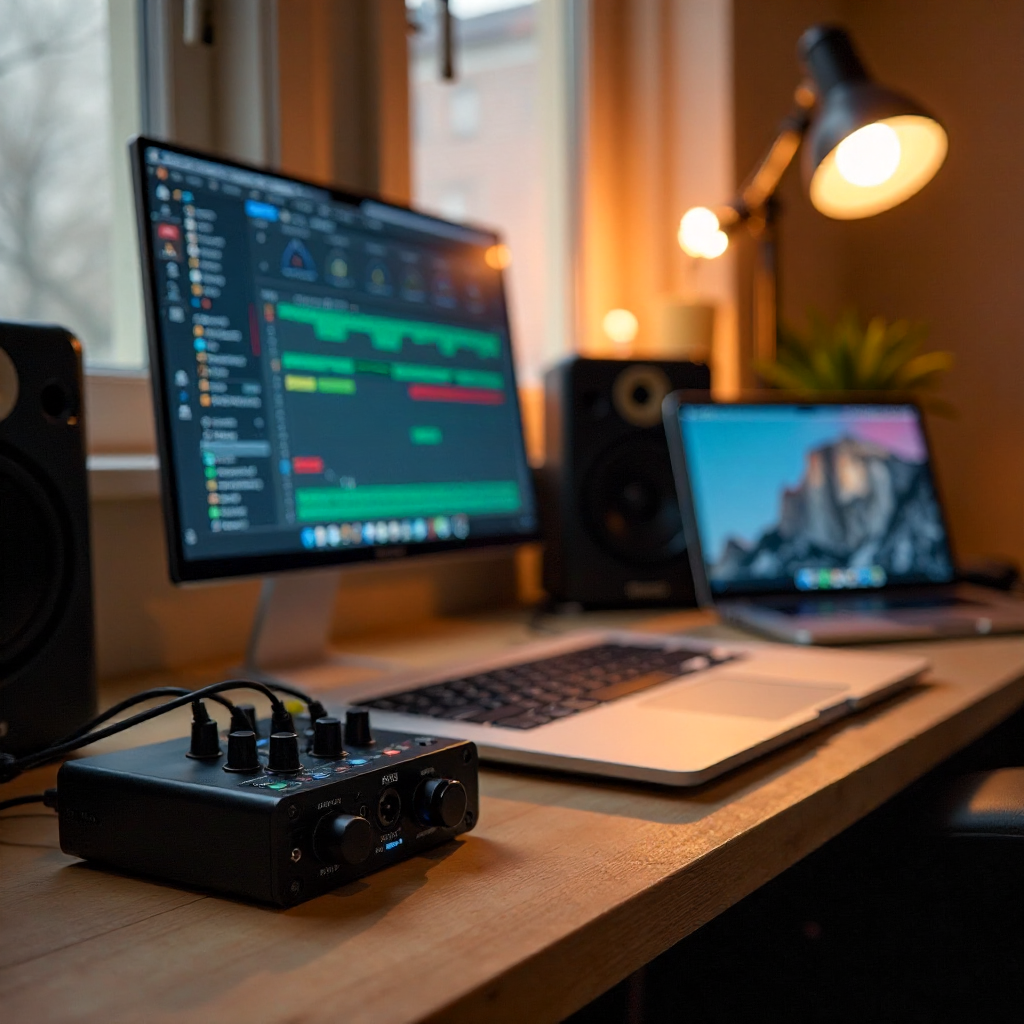
Whatever space you use, treat rehearsal time seriously. Show up prepared, record your sessions on your phone, and listen back. You'll catch arrangement problems and song ideas you'd otherwise forget.
Record Your First Demo
Your first demo doesn't need to sound like a major-label release — it needs to capture your energy and communicate your sound clearly enough for listeners, bookers, and potential collaborators to understand what you're about.
Home recording has become genuinely accessible. A basic setup — a USB audio interface (the Focusrite Scarlett Solo runs around $120), a condenser microphone, and a free or low-cost DAW like GarageBand, Reaper, or Audacity — is enough to record demos that sound presentable. Reaper in particular offers a full-featured trial for a fraction of what professional software costs.
Record one song at a time. Start with the track your band plays most confidently. Layer instruments separately where possible: a scratch rhythm track first, then drums or a click, then bass, guitars, and vocals. Even a rough demo recorded this way will sound more controlled than everything recorded live through one microphone.
Don't obsess over mixing at this stage. A clean, well-balanced rough mix beats an over-processed one. If you want help with mixing later, platforms like SoundBetter connect you with freelance engineers who work at indie-friendly rates.
Establish Roles, Rules, and a Band Agreement
Defining creative roles and a basic band agreement early is one of the most practical things you can do — it prevents the kind of conflict that breaks up bands before they release anything.
You don't need a lawyer to start. A simple shared document covering a few key areas is enough:
- Creative roles: Who has final say on songwriting decisions? Who handles production?
- Finances: How are gig fees and streaming revenue split? Who covers shared expenses?
- Decision-making: Is it majority vote, or does one person have a casting vote on certain things?
- Commitment expectations: How many rehearsals per month? What happens if someone consistently misses them?
Conversations about money and roles feel awkward when everything is going well. Have them anyway. Bands that skip this step often discover the hard way that unspoken assumptions about songwriting credit or merch revenue are more damaging than any musical disagreement.
Release Your Music Independently
Releasing music independently is straightforward and doesn't require a record label. A few platforms make it accessible to any artist, regardless of budget or profile.
Bandcamp is the best starting point for indie bands. It's free to use, lets you set your own prices, and pays artists directly — Bandcamp takes a 15% cut that drops to 10% after you hit $5,000 in sales. It also functions as a community platform where indie music fans actively browse and buy. Upload your demo there first.
To get onto Spotify for Artists, Apple Music, and other streaming services, you'll need a distributor. DistroKid charges around $22/year for unlimited uploads and is widely used in the indie world. TuneCore and CD Baby are alternatives worth comparing depending on your release volume.
For your first release, keep it simple: one or two tracks, decent artwork (Canva works fine), and a release date you can actually promote. Announce it two to three weeks in advance so you have time to build anticipation. Don't wait until your music is "perfect" — a real release that exists beats a perfect one that doesn't.
Build Your Presence and Play Live
Building a social media presence and playing live gigs are the two most effective ways to grow an audience when you're starting out with no budget and no existing fanbase.
On social media, pick one or two platforms and use them consistently rather than spreading thin across five. Instagram works well for photo and short-video content — behind-the-scenes rehearsal clips, gear shots, and live footage. TikTok rewards originality and can surface new music to large audiences quickly, but it requires more frequent posting. YouTube is valuable for longer content like live sessions or music videos, but it's a slower burn.
The goal isn't follower count at this stage. It's building a small, engaged group of people who actually care about what you're doing. Post consistently, respond to comments, and show the process — not just the polished output.
For live shows, start local. Open mics are the lowest-friction entry point: no booking email required, no guarantee needed. Once you have a 20-minute set, start reaching out to small venues about support slots. A short, tight set that leaves people wanting more is worth more than a 45-minute headline set you're not ready for.
The local music scene is also where you'll find your first genuine fans, collaborators, and word-of-mouth. Show up to other bands' gigs. Build relationships. The indie ecosystem runs on reciprocity.
Frequently Asked Questions
What equipment does an indie band need to start?
At minimum: instruments, a basic PA system for rehearsal, a USB audio interface, a condenser microphone, and a laptop with a free DAW like GarageBand or Reaper. You can record a presentable demo for under $200 in total gear costs if you already own instruments.
How many members does an indie band need?
There's no fixed number. Two to four members is the most common range for indie bands, but plenty of successful acts operate as duos or even solo projects with session players for live shows. Start with whoever shares your vision, not a target headcount.
Do I need a record label to release indie music?
No. Distributors like DistroKid, TuneCore, or CD Baby let any artist upload music to Spotify, Apple Music, and dozens of other platforms independently. Bandcamp requires no intermediary at all. A record label can offer resources and promotion, but it's not a prerequisite for releasing music.
How do indie bands make money starting out?
The most realistic early income streams are live gig fees, Bandcamp sales (including pay-what-you-want pricing), and merchandise. Streaming royalties are negligible at small scale — a band earning $50/month from Spotify at 10,000 monthly listeners is typical. Treat streaming as discovery, not income, until your numbers grow significantly.
How long does it take to record a first demo at home?
A single track recorded at home, from setup to a rough mix, typically takes one to three days for a beginner. The recording itself might take a few hours; editing, comping takes, and basic mixing take longer. Don't aim for perfection on the first attempt — the goal is to finish something and learn from the process.