The Evolution of Indie Music: From the 80s to Today
Few words in music carry as much weight — and as much ambiguity — as "indie." It has described a business arrangement, a sonic texture, a countercultural attitude, and a global community of artists who refuse to follow someone else's creative blueprint. Understanding how indie music evolved from a scrappy UK underground movement into a worldwide phenomenon tells you a lot about how music itself has changed. And if you make music independently, that history is directly relevant to the choices you're making right now.
What Does "Indie" Actually Mean?
"Indie" is both a business model and a sonic identity — and that dual meaning is the source of most confusion around the term. In its original sense, indie simply referred to music released on independent record labels rather than the major label system. Over time, it also came to describe a recognizable aesthetic: jangly guitars, introspective lyrics, a certain lo-fi texture that signaled authenticity over polish.
These two meanings have always been in tension. A band can sound "indie" while being signed to a major. An artist can run their own label while making music that sounds nothing like what most people picture when they hear the word. The most honest definition is probably this: indie is a commitment to artist autonomy and creative control, whatever form that takes in a given era.
That thread — the refusal to cede creative decisions to commercial gatekeepers — runs through every decade of indie's history.
The 80s — Where It All Began: Post-Punk, Fanzines, and Independent Labels
Indie music's roots lie in the post-punk scenes of the late 1970s and early 1980s, when artists in the UK and US decided that the major label infrastructure wasn't built for them — and built their own instead. Labels like Rough Trade, Factory Records, and SST in the US created distribution networks that bypassed the mainstream entirely.
The sound that emerged from this infrastructure was deliberately raw. 4-track cassette recorders were the primary recording tool for many acts, and the limitations of that technology became part of the aesthetic. Thin drum sounds, room noise, vocals that sat in the mix rather than sitting above it — these weren't accidents. They were the sound of people making music on their own terms with whatever they had.
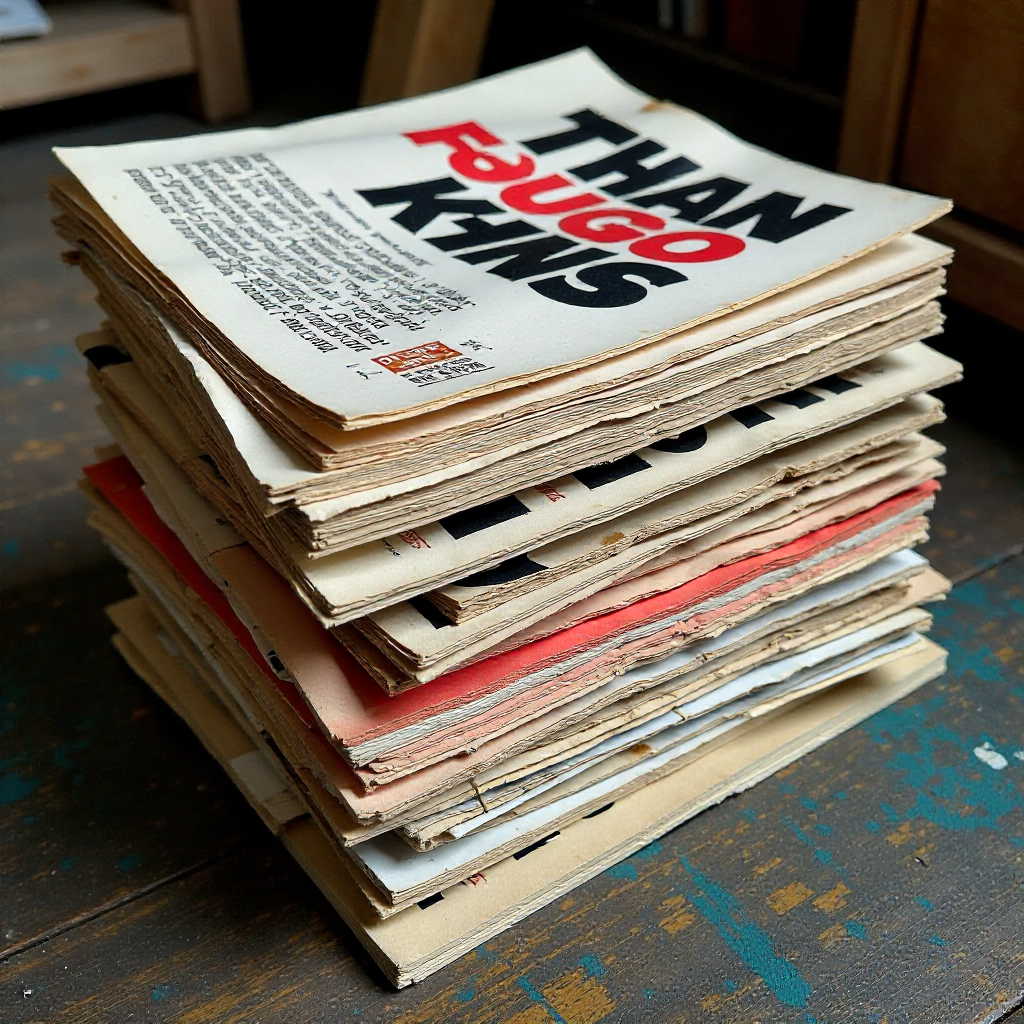
Supporting this ecosystem was a print culture of fanzines — photocopied, hand-stapled publications that functioned as the era's tastemakers. These zines reviewed records, announced shows, and created communities around shared taste long before anyone imagined the internet. The DIY ethos wasn't just about recording; it extended to promotion, distribution, and criticism.
The 90s — Grunge, Britpop, and the Mainstream Crossover
The 1990s tested indie's identity by offering it something it had never had: mass commercial success. When Nirvana's Nevermind broke through in 1991, it demonstrated that music rooted in the independent underground could reach enormous audiences — and that created a complicated set of pressures.
On one side, the decade produced genuine creative breakthroughs. Britpop in the UK and the alternative rock explosion in the US brought lo-fi aesthetic sensibilities into mainstream radio. Recording on a limited budget stopped being a constraint and became a badge of credibility. Artists who sounded too polished were viewed with suspicion.
On the other side, major labels began signing indie acts aggressively, which raised the question that still hasn't fully been resolved: does signing to a major label mean you're no longer indie? Many artists who made that move found themselves fighting for the same creative control they'd had as unknowns, just with larger budgets and higher stakes.
The tension between independence and commercial success wasn't unique to the 90s, but the decade made it impossible to ignore.
The 2000s — Blogs, Buzz Bands, and the Digital Disruption
The early 2000s replaced the fanzine with the music blog, and the effect on indie discovery was immediate and dramatic. Sites like Pitchfork — which had existed since 1995 but gained real cultural authority in the early 2000s — could break an artist overnight with a single review. The tastemaker function that had previously required physical distribution of printed pages now happened at the speed of a webpage loading.
This era also introduced digital distribution as a practical reality. Platforms like MySpace gave artists a direct channel to listeners without any label involvement. The concept of the "buzz band" — an act that built a following online before signing to any label — became a recognizable career trajectory.
For recording musicians, the shift was equally significant. Home recording software was becoming genuinely capable, and the gap between a bedroom recording and a professional studio recording was narrowing. Artists could record, mix, and distribute music without leaving their homes — a possibility that would have seemed implausible to anyone making a fanzine in 1984.
The downside was real: digital disruption also collapsed the revenue model that had sustained even small independent labels. Album sales dropped sharply, and indie labels that had survived on physical distribution found themselves scrambling to adapt.
The 2010s — Bedroom Pop, Streaming, and the Democratization of Recording
The 2010s produced the most significant shift in indie music production since the invention of the 4-track recorder. Affordable DAWs (digital audio workstations) like GarageBand, Logic Pro, and Ableton Live put genuinely professional recording tools within reach of anyone with a laptop. The result was bedroom pop — a sub-genre built on intimate, lo-fi textures recorded in domestic spaces.
What's interesting about bedroom pop is that its lo-fi quality wasn't a limitation to be apologized for. Artists leaned into it deliberately. The sound of a room, a slightly overloaded microphone, vocals recorded close and dry — these became expressive choices rather than technical compromises. The aesthetic that had been forced on 80s indie artists by budget constraints was now being chosen freely by artists who could afford to sound different.
Streaming platforms reshaped the distribution side of the equation at the same time. Spotify launched in the US in 2011; by mid-decade it was the dominant listening platform in most markets. For independent artists, this created new access — your music could sit alongside major label releases in the same playlists — but also new economics. Streaming royalty rates for independent artists without label advances are notoriously thin, which pushed many toward music licensing and sync deals as a more reliable revenue source.
Platforms like Bandcamp offered an alternative model: direct sales to fans, with a much higher percentage going to the artist. The 2010s, more than any previous decade, gave independent musicians genuine choices about how to release and monetize their work.
Indie Music Today — Global, Genre-Fluid, and Self-Released
Today's indie music landscape is defined by two things: geographic spread and genre fluidity. Indie is no longer a UK or US phenomenon with the rest of the world looking in. Independent artists from Nigeria, South Korea, Brazil, and across Southeast Asia are building international audiences through streaming and social platforms, often without any label involvement at all.
The sonic category has expanded to the point where "indie" as a genre descriptor is nearly meaningless. Indie pop, indie folk, bedroom pop, indie R&B, indie electronic — these sub-genres share an attitude toward creative control more than they share a sound. What connects a lo-fi bedroom pop artist in Seoul to an indie folk songwriter in Nashville isn't instrumentation or production style; it's the decision to own their creative output.
Self-releasing on streaming platforms is now the default path for new artists. Services like DistroKid and TuneCore allow anyone to distribute to Spotify, Apple Music, and dozens of other platforms for a flat annual fee. The barrier that once required either a label deal or a significant financial investment has effectively disappeared.
What the Future Holds for Independent Artists
The next chapter of indie music will be shaped by two forces pulling in opposite directions. AI-assisted production tools are lowering the technical skill floor for recording and mixing, which will bring more voices into the space — but also intensify the challenge of standing out. Direct-to-fan monetization through platforms like Patreon, Substack, and live-streaming is giving artists new ways to build sustainable income without chasing streaming numbers.
The indie ethos has always adapted. It adapted from cassette to CD, from fanzine to blog, from blog to algorithm. The artists who navigate the next shift successfully will probably be the ones who understand that creative control isn't just about where you release music — it's about building a relationship with an audience that doesn't depend on any single platform's continued goodwill.
That's the same lesson the post-punk labels were teaching in 1982. The tools change. The principle doesn't.
Frequently Asked Questions
Is indie music a genre or a business model?
It's both, and the tension between those two meanings has defined the term since its origins. Strictly speaking, "indie" refers to music released independently of major label infrastructure. In common usage, it also describes a recognizable aesthetic — often lo-fi, guitar-driven, or bedroom-recorded. Both definitions are valid; context usually makes clear which one is being used.
How has home recording technology changed indie music production?
The shift from 4-track cassette recorders to modern DAWs has been the single biggest change in how indie music is made. What once required a professional studio — multi-track recording, digital editing, high-quality mixing — can now be done on a laptop. This hasn't just lowered costs; it's changed the sound of indie music, enabling the intimate, close-mic'd textures of bedroom pop that define much of the current landscape.
Can an artist signed to a major label still be considered "indie"?
By the business model definition, no — major label artists aren't independent. By the aesthetic or attitudinal definition, some would argue yes, if the artist retains meaningful creative control. In practice, most music communities use "indie" to mean independent of major label ownership, so a major label signing typically ends the classification regardless of how the music sounds.
What platforms are most important for independent artists today?
Streaming platforms like Spotify and Apple Music provide the broadest reach. Bandcamp remains the strongest option for direct sales with favorable artist revenue splits. SoundCloud serves a specific community of producers and electronic artists. Social platforms — particularly TikTok and Instagram — have become critical for discovery. Distribution services like DistroKid or TuneCore handle the logistics of getting music onto streaming platforms without label involvement.
How do indie artists make money without label support?
Revenue for independent artists typically comes from several sources: streaming royalties (modest for most artists), direct sales through Bandcamp or personal websites, live performance, merchandise, sync licensing (placing music in film, TV, or advertising), and direct fan support through platforms like Patreon. Most working independent artists rely on a combination of these rather than any single income stream. Sync licensing in particular has become a significant revenue source for artists with strong catalogs, since a single placement can generate more income than months of streaming.