How to Promote Your Indie Music Online Effectively
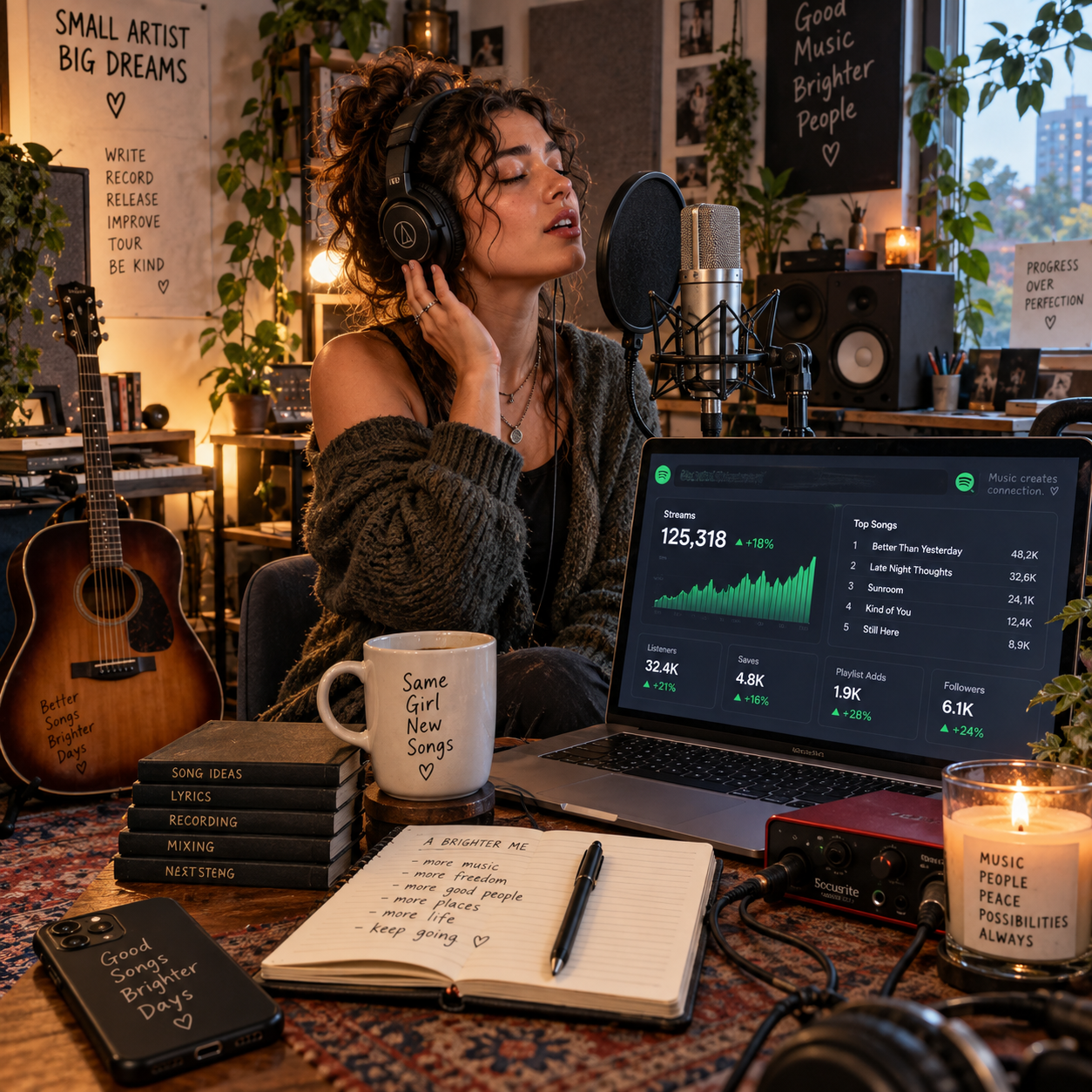
Promoting indie music online effectively requires more than posting a release link and hoping listeners arrive. An independent musician can build steady attention by combining a clear artist identity, useful content, direct fan relationships, and simple performance tracking.
You do not need a major-label budget to create momentum. You need a repeatable music promotion strategy that turns one song into several discovery opportunities across social media, music streaming platforms, playlists, communities, and your own email list.
Define Your Audience and Promotion Goals
To promote indie music effectively, first identify the listeners most likely to connect with your sound and choose one measurable goal for each campaign. A clear audience and focused objective make every later decision easier.
Start by describing your target listener in practical terms. Consider the artists they already follow, the moods or activities connected to your music, their likely age range, and where they discover new songs. An alternative-pop artist might target listeners who find music through late-night TikTok videos, independent playlists, and live-session channels. A folk musician may reach people through acoustic performance clips, local music communities, and songwriting groups.
Next, define your artist identity. Choose a few consistent ideas that explain your sound and world: intimate electronic soul, energetic garage rock, or reflective bedroom pop. This positioning should guide your visuals, captions, video subjects, and choice of collaborators.
Set one primary goal and two supporting goals for each release:
- Discovery: increase qualified streams, video views, or playlist listeners.
- Connection: gain followers, email sign-ups, comments, or direct conversations.
- Action: sell tickets, attract event attendance, encourage downloads, or generate merchandise sales.
A goal such as “get famous” cannot guide a weekly schedule. “Collect 100 email sign-ups and reach 500 saves during the first month” gives you something to measure without promising an unrealistic result.
Optimize Your Artist Profiles and Music Links
Optimize every artist profile so a new listener can understand who you are, hear your music, and choose a next step within a few seconds. Consistent branding reduces confusion and improves trust across platforms.
Use the same artist name, profile image, color direction, and short description wherever possible. Your bio should explain your sound and offer a reason to listen. For example: “Mara Vale makes sparse dream-pop about distance, memory, and starting over.” That is more useful than a list of vague adjectives.
Update your profiles on Spotify, Apple Music, YouTube, Bandcamp, SoundCloud, and other relevant music streaming platforms. Check that your biography, artist image, release credits, lyrics, links, and upcoming dates are accurate. A professional profile does not require expensive photography, but it does require clear lighting, thoughtful composition, and a visual style that matches the music.
Create one simple destination for your important links. It can lead to your latest single, streaming services, email sign-up, tickets, and merchandise. Keep the page uncluttered. During a release campaign, put the current song first rather than asking visitors to choose among ten equal options.
An electronic press kit, or EPK, should contain your short and long bio, press photo, music links, notable performances, selected quotes, contact details, and technical information for venues. The official U.S. Copyright Office also provides useful guidance on copyright ownership and registration for creators managing their releases.
Use Social Media to Build Real Fan Connections
Social media marketing works best when it gives people a reason to return, respond, and remember you rather than seeing repeated sales messages. Combine performance, personality, process, and clear release reminders.
Choose two or three platforms you can maintain consistently. TikTok and Instagram are useful for discovery through vertical video, while YouTube supports longer performances, visualizers, and searchable music content. The best platform is the one where your intended listeners spend time and where you can publish regularly without exhausting yourself.
Build a manageable content mix:
- Performance: choruses, live versions, stripped-back takes, and instrumental sections.
- Process: songwriting notes, production choices, rehearsal footage, and studio mistakes.
- Personal context: the experience, image, or question that inspired a lyric.
- Participation: polls, questions, replies, duets, stitches, and fan reactions.
- Promotion: release dates, listening links, show announcements, and limited offers.
Try a sustainable rhythm such as three short posts and several thoughtful comment sessions each week. Direct interaction matters. Reply to comments with substance, credit fans who create content, and participate in conversations around related artists without hijacking them.
A common mistake is treating every post as an advertisement. People may enjoy a song and still ignore constant links. The correction is simple: make the music the center of the account, but let the audience see the person and decisions behind it.
Promote Releases With Short-Form Video and Content
To promote a new release with short-form video, turn one song into a series of distinct moments, each with a strong opening and a specific action for viewers. Short videos work best when they create curiosity before asking for a stream.
Before release day, identify three to five usable hooks. A hook might be the emotional chorus, a surprising lyric, a recognizable guitar part, a production transformation, or a question such as “What would you say to your younger self?” Record several versions rather than repeating one identical clip.
One song can produce:
- A direct-to-camera chorus performance.
- A lyric video using one memorable line.
- A before-and-after clip showing the demo becoming the final production.
- A short story about the song’s inspiration.
- A live rehearsal or acoustic interpretation.
- A fan prompt inviting people to respond, use the sound, or share a related memory.
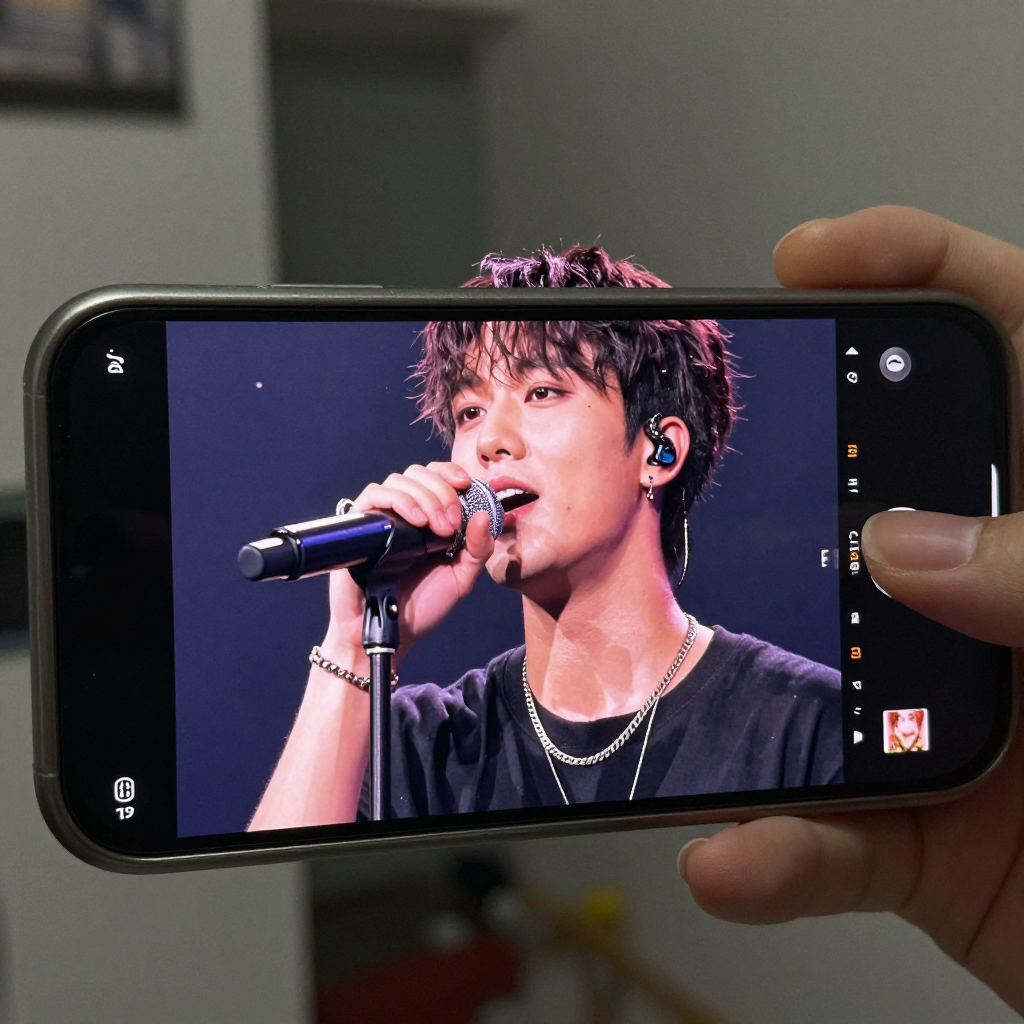
Adapt the same idea to TikTok, Instagram Reels, and YouTube Shorts, but adjust the caption, editing pace, and call to action for each community. Use readable on-screen text, start with movement or sound immediately, and keep the central idea clear without relying on lengthy introductions.
For a coordinated release, share a teaser one to two weeks before launch, increase the frequency during release week, and continue with new angles for at least several weeks afterward. A song can find its audience after the initial launch, so avoid abandoning it after one weekend.
Reach New Listeners Through Playlists, Communities, and Collaborations
Reach new listeners by submitting music to relevant playlists, participating genuinely in online communities, and collaborating with artists whose audiences overlap with yours. Relevance and trust are more valuable than mass exposure.
Start with playlist pitching. Research independent curators, editorial submission tools offered by streaming services, radio programs, blogs, and genre-specific channels. Read the playlist description, listen to recent additions, and submit only when your track genuinely fits. A concise pitch can mention the genre, mood, strongest audience context, and release date.
Never buy guaranteed playlist placement, artificial streams, or fake engagement. These services can damage listener data, violate platform rules, and make future promotion decisions less reliable. Placement is never guaranteed, even when a song is excellent.
Music blogs and online communities can help when you contribute before asking for coverage. Comment thoughtfully in songwriter groups, local music forums, Discord communities, and genre spaces. Share useful recommendations, answer questions, and follow each community’s self-promotion rules.
Cross-promotion is often more effective when it feels like a creative exchange. Consider a joint live stream, remix, split release, co-written performance, playlist swap, or short interview with a complementary artist. Choose collaborators based on audience fit and working reliability, not follower count alone.
Build an Email List and Encourage Direct Support
An email list gives an independent musician a direct communication channel that does not depend entirely on changing social media algorithms. Offer a clear reason to subscribe and send useful, personal updates at a manageable pace.
Place an email sign-up link on your artist website, link destination, Bandcamp page, show materials, and social profiles. A good incentive might be an unreleased demo, live recording, downloadable lyric sheet, private listening session, or early access to tickets. Set expectations immediately: tell subscribers what they will receive and how often.
A simple release sequence could include:
- Early note: explain the song’s story and announce the release date.
- Preview: share a private clip, lyric, artwork detail, or behind-the-scenes moment.
- Release email: provide one prominent listening button and a short personal message.
- Follow-up: share a live version, listener response, review, or upcoming performance.
Keep the call to action specific. “Listen and tell me which lyric stays with you” invites more engagement than “support me everywhere.” Direct support may include buying music on Bandcamp, attending a show, joining a membership, purchasing merchandise, or forwarding the song to one interested friend.
The trade-off is that an email list grows more slowly than a viral post. Its value is durability: subscribers have chosen an ongoing relationship, which makes future releases easier to introduce.
Track Results and Improve Your Promotion Process
Track promotion results by comparing meaningful actions such as saves, follows, click-throughs, email sign-ups, comments, and returning listeners rather than judging a campaign by views alone. Use the findings to improve your next release.
Review performance at three points: after the first week, after the first month, and before planning the next campaign. Useful questions include:
- Which video created the highest watch time or strongest comment quality?
- Which source sent people to the music link?
- Did listeners save the track, follow the artist, or return later?
- Which playlist, community, or collaboration produced relevant traffic?
- Did email subscribers click, reply, or attend an event?
Use platform analytics from Spotify for Artists, YouTube Studio, Instagram Insights, TikTok analytics, Bandcamp, and your email provider. A basic spreadsheet is enough. Record the date, content type, reach, engagement, clicks, saves, follows, and notes about what you learned.
Think of your campaign as a learning loop: publish, observe, interpret, adjust. High views with few profile visits may mean the hook attracts attention but lacks artist context. Strong saves with low reach suggest the song resonates and needs better discovery content. Many clicks but few streams may indicate a confusing landing page or a mismatch between the promise and the song.
Do not change everything after one weak post. Look for patterns across several pieces of content, then repeat the strongest format with a new angle. Consistency gives analytics enough evidence to become useful.
Frequently Asked Questions About Indie Music Promotion
How can an indie musician promote music with little or no budget?
Focus on short-form performance videos, direct audience interaction, playlist research, music communities, collaborations, and an email list. A smartphone, free editing software, a simple link page, and consistent effort can support a complete campaign. Spend money only after you know which content and audience produce meaningful responses.
Which social media platforms are best for promoting indie music?
TikTok, Instagram, and YouTube are strong options because they support music discovery through video, but no platform is universally best. Choose based on your audience, preferred content format, and ability to publish consistently. YouTube may suit a live-session artist, while TikTok may suit a musician with strong lyric or storytelling hooks.
How do I promote a new song before its release?
Prepare profiles and links, announce the date, share short teasers, explain the song’s story, pitch relevant playlists, contact suitable blogs or communities, and invite email subscribers to listen first. Test several hooks before release so you know which angle earns the most useful response.
How can I get my music considered for playlists?
Research playlists that genuinely match your genre and mood, follow their submission instructions, and send a brief personalized pitch. Use official platform submission tools when available. Avoid mass submissions, payment for guaranteed placement, and services promising artificial streams.
What should I include in an indie musician’s electronic press kit?
Include a concise biography, longer artist story, professional photos, music links, selected press quotes, notable performances, upcoming dates, contact information, social links, and technical details when relevant. Keep the EPK current and make the most important information easy for a blogger, promoter, or venue booker to find.